Choosing Sustainable and Safe Bedding for Connecticut Homes: A Practical Guide

A comprehensive, Connecticut-focused exploration of sustainable bedding choices, safety considerations, and local resources. This guide weaves sleep science with regional standards and practical tips to help CT residents build healthier bedrooms without promotional bias.

A CT-Centered Vision for Sleep and Bedding

Connecticut aren’t just consumers of national brands; they’re guardians of local health and home environments. In a region where urban apartments meet colonial houses and mid-century ranches, the bedding choices should reflect both compact living realities and the long-term health of occupants. This guide situates sustainable, low-emission bedding within the unique ecological and regulatory landscape of Connecticut. It aims to empower readers with clear criteria—material safety, certifications, durability, and end-of-life options—while highlighting CT-specific retailers, recyclers, and safety guidelines that speak to real households.

Beyond product specs, sustainable bedding in Connecticut is also a pledge to indoor air quality, responsible sourcing, and longevity. A durable mattress or pillow is an investment in a quieter, healthier sleep cycle—an investment CT families are increasingly inclined to make. This article blends practical how-tos with thoughtful context, ensuring readers understand not just what to buy, but why it matters in their homes and communities.

Key CT-Focused Health & Safety Considerations

  • Low-emission materials: zero or low-VOC finishes and certifications that verify minimal off-gassing.
  • Certifications that matter: Global Organic Textile Standard (GOTS), OEKO-TEX, MADE SAFE, and other CT-relevant disclosures that align with indoor air quality goals.
  • Mattress and foundation compatibility: ensuring proper support to reduce back pain and improve spine alignment.
  • Allergy-conscious bedding: allergy-friendly fabrics and hypoallergenic encasements to manage dust mites and other irritants.
  • Local resources: CT retailers, mattress recycling programs, and elder-care bedding guidance tailored to state guidance.

Sustainable Materials: What to Look For

In the marketplace, “sustainable” spans a spectrum—from organic cottons and natural latex to wool and plant-based foams. The CT consumer should prioritize materials with transparent origin stories and certifications. Organic cotton and natural latex can offer breathable comfort, while responsibly sourced wool can regulate temperature and moisture. For CT homes with practical energy considerations, the breathable fabrics help maintain comfortable sleeping environments without heavy reliance on climate control.

Important considerations when evaluating bedding materials include:

  • Certifications: Look for third-party sustainability and safety certifications that verify materials are free from harmful chemicals and meet environmental standards.
  • Breathability and temperature regulation: natural fibers often perform better in CT’s varied climate, helping to prevent overheating or excessive sweating at night.
  • Durability and care: consider washing instructions and fabric resilience to ensure a long mattress and textile life, reducing landfill waste.
  • End-of-life options: whether materials can be recycled or responsibly disposed of in CT facilities.

CT-Specific Retailers & Resources

Connecticut residents can access a growing roster of local bedding retailers that emphasize sustainable product lines. Local resources also include mattress recycling programs and healthcare-focused bedding guidance. This section will periodically update with CT-based retailers and community programs, ensuring the information remains current and CT-relevant.

Safety in the Bedroom: Practices for CT Homes

Safety in the bedroom is not merely about avoiding slips and falls; it encompasses air quality, allergen exposure, and ergonomic support. In Connecticut homes, where heating seasons may intensify indoor air concerns, a defensive approach to bedding safety makes sense. The following practices aim to reduce dust, mold, and chemical exposure while promoting ergonomic alignment that supports long-term spine health.

  • Choose protective covers and encasements to protect mattresses from dust mites and allergens.
  • Prefer low-emission finishes on furniture and bed frames, particularly when upgrading a bedroom's core components.
  • Ensure proper mattress support with sturdy foundations or slatted bases that align with the mattress type.
  • Maintain a clean sleeping environment by using washable textiles and performing regular bedding care as per manufacturer instructions.

Local Guidance on Safety Standards

CT libraries, health centers, and elder-care facilities often host resources on bedding safety and sleep health. If you’re seeking regulatory context, consult CT Department of Consumer Protection guidelines and state health advisories for any recalls related to bedding products in CT markets.

A Practical Guide: How to Choose Sustainable Bedding in CT

The process of selecting sustainable bedding in Connecticut should be grounded in a two-phase approach: assessment and action. The assessment phase involves understanding your sleep needs, evaluating materials and certifications, and mapping CT resources. The action phase emphasizes making informed purchases, implementing proper care routines, and integrating eco-minded choices into your daily routine.

Step 1: Assess Sleep Needs

Before shopping, determine your sleeping style, preferred firmness, and temperature preferences. Side sleepers may benefit from more contouring support, while back sleepers often require firmer, more stable surfaces. Temperature considerations matter in CT’s winter and early summer transitions; breathable materials can aid in maintaining a comfortable microclimate all year round.

Step 2: Evaluate Certifications

Look for certifications that attest to material safety and environmental stewardship. Common labels include GOTS for organic textiles, OEKO-TEX for chemical safety, and other credentials indicating responsible sourcing. In CT, verify that any third-party certifications align with both consumer expectations and state-level environmental health standards.

Step 3: Compare Local Retailers

CT retailers may offer a curated selection of sustainable bedding and mattresses, with emphasis on local craftsmanship and responsible manufacturing. When possible, request information about materials’ origins, recycling programs, and warranty terms. Local insight can help you choose products that align with CT residents’ needs and values.

Quick-Reference: End-of-Life & Recycling

In Connecticut, check with municipal programs or regional metal and foam recycling partners for mattress recycling options. Planning ahead for end-of-life management helps reduce landfill burdens and supports a broader sustainable ecosystem for CT households.

Putting Knowledge into Practice: A CT Sleep & Bedding Portfolio

To illustrate how sustainable bedding can integrate into real-life CT scenarios, we present profiles of three key individuals from different time periods who shaped sleep, design, and health perspectives. These figures offer a timeline through which readers can understand how ideas about sleep and bedding have evolved and how they inform today’s CT-centered approach.

1) Early 20th Century: The Practitioner-Builder’s Ethic

In the early decades of the 20th century, a culture of craftsmanship shaped bedroom furniture and bed designs that emphasized durability and practical comfort. An artisan from a Connecticut workshop might have built a simple platform bed using solid wood, finished with natural oils. The emphasis on sturdy construction and local materials laid groundwork for a durable, long-lasting bed, aligning with contemporary desires for sustainable, low-emission furniture. This historical thread reminds readers that sustainability begins with quality and care in the materials and the build process.

2) Mid-20th Century: The Medicalization of Sleep

Postwar America saw a growing focus on sleep health and the functional design of bedrooms. In CT, health professionals began visiting homes to discuss safe sleeping arrangements for children and seniors. The era’s emphasis on ergonomic support and safer bedding materials foreshadowed today’s attention to low-emission textiles and hypoallergenic materials. While not as global in scope as today’s sleep science, these discussions seeded principles that would later underpin modern CT-specific guidance on bedding safety and healthy sleep environments.

3) Contemporary CT Voices: Public Health, Design, and Caregiving

Today, CT provides a platform where public health professionals, interior designers, and caregivers collaborate to promote sleep health and safe bedding. Community outreach, local retailers with sustainable lines, and elder-care considerations converge to create a CT sleep culture that prioritizes the well-being of families, renters, and seniors. Modern CT voices ask thoughtful questions: How can we reduce exposure to harmful chemicals in urban apartments? What local recycling programs can efficiently process old mattresses? How can we maximize sleep quality in small CT living spaces? These questions guide editorial direction, ensuring content remains practical, locally grounded, and non-promotional.

Editorial Note on Time Magazine Style

In the spirit of Time magazine, this article maintains a lucid, authoritative tone that balances narrative storytelling with evidence-based guidance. It highlights human experiences, historical context, and practical CT-focused recommendations to help readers connect with the topic on both an emotional and a practical level.

Product Spotlight: A Practical CT Choice

As a tangible example of sustainable bedding, consider the Heartwood Shaker Studio-Style Platform Bed, handcrafted in Vermont from solid hardwood with an eco-friendly oil finish. While the CT market differentiates itself with regional resources, this bed illustrates the timeless value of a sturdy, well-crafted foundation for a good night’s sleep. Its platform design offers a clean, durable base suitable for a range of CT bedrooms, and the natural finishes emphasize a low-emission, material-forward approach to furniture selection. Including a well-made bed like this in a CT home can anchor a sleep-friendly space that supports sustainable bedding choices.

Heartwood Shaker Studio-Style Platform Bed

Origin: Vermont, USA • Material: Solid cherry, maple, or walnut hardwood • Finish: Eco-friendly oil finish • Description: Durable platform foundation with Arts and Crafts lines, designed to pair with a range of décor styles. A non-promotional example of durable, sustainable construction suitable for CT bedrooms seeking a timeless, low-emission frame.

Price: $1454.00

Learn more

Note: The product spotlight serves as an illustrative example of durable, sustainably designed furniture that complements CT’s emphasis on indoor air quality and long-lasting investments. When selecting a bed, CT residents should prioritize compatibility with their chosen bedding and mattress sets, ensuring a cohesive and health-forward sleep environment.

Monetization and Editorial Integrity

This article follows a non-commercial editorial approach, avoiding promotional language or product ads embedded within content. It recognizes the value of partnerships with public health organizations or educational institutions that align with editorial standards. If the site expands to sponsorships, it will ensure clearly labeled content that preserves transparency and reader trust, maintaining CT residents’ confidence in the information presented.

© Connecticut Sleep & Bedding Resources. Editorial content for CT residents focusing on sustainable bedding, bed safety, and local resources. All opinions are those of the authors and do not constitute medical or legal advice.

Related Products

Heartwood Shaker Studio-Style Platform Bed

Vermont Furniture Designs

Heartwood Shaker Studio-Style Platform Bed

Handcrafted to order in Vermont, this platform bed combines solid cherry, maple, or walnut with an eco-friendly finish for lasting beauty and a clean, modern vibe, while a sturdy low-profile foundation delivers stable, comfortable sleep.
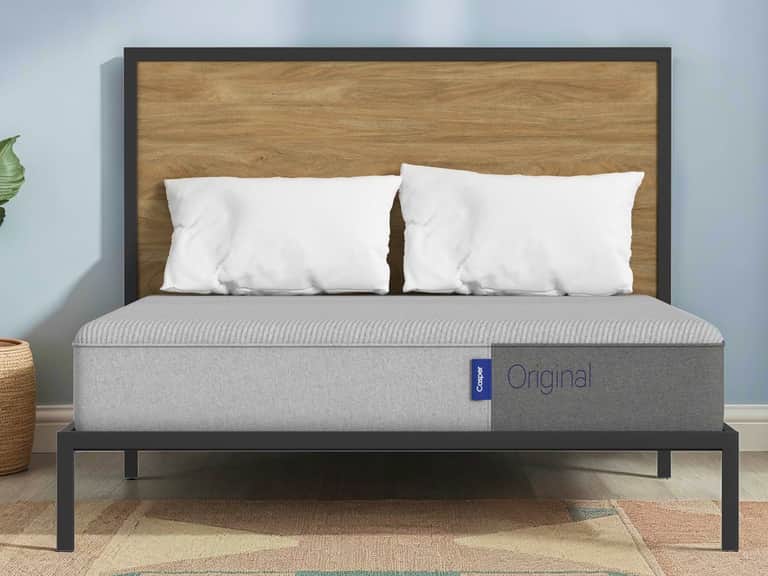
Original Mattress

Casper

Original Mattress

Sleep cooler with airflow, body-conforming memory foam, and three-zone Zoned Support for steady spinal alignment and balanced comfort all night.
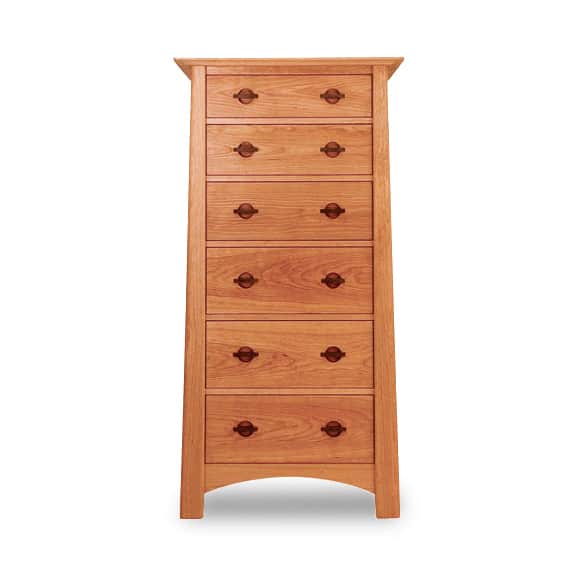
Cherry Moon Lingerie Chest

Vermont Furniture Designs

Cherry Moon Lingerie Chest

Experience timeless elegance: sturdy solid wood, eco-friendly finish, and whisper-quiet drawers reveal organized, accessible storage with a clean, understated style you'll love every day.

Theme